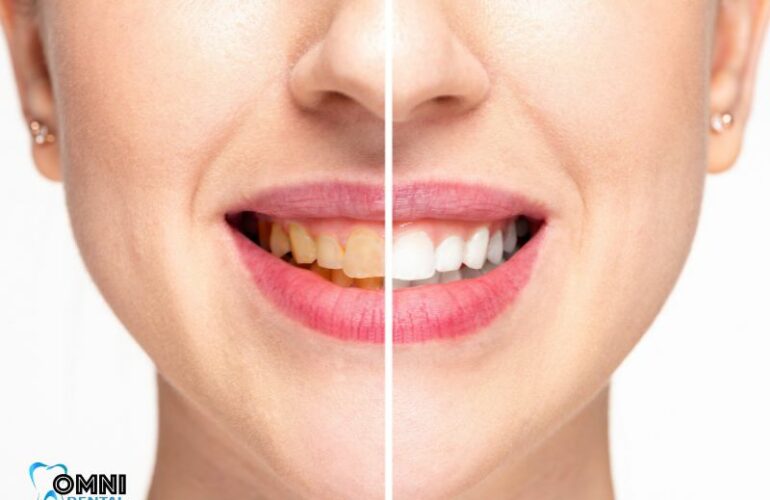


Dental veneers are a popular cosmetic dentistry option for those looking to improve the appearance of their teeth. They are thin shells made of porcelain or composite resin placed over the tooth’s front surface to improve its color, shape, or size. The recovery time for dental veneers can vary depending on several factors, which we will discuss in this article.
What is the Recovery Time for Dental Veneers?
The recovery time for dental veneers is generally around two weeks. During this time, you may experience discomfort or sensitivity in the treated teeth. You may also need to take steps to ensure the best possible outcome. For example, you may need to avoid certain foods or maintain good oral hygiene to protect your veneers and ensure they last as long as possible.
Factors Affecting Recovery Time for Dental Veneers
The recovery time for dental veneers can be affected by several factors, including the type of veneers used, the condition of your teeth before the procedure, and your oral hygiene habits. Porcelain veneers, for example, may take longer to recover from than composite veneers. Additionally, your recovery time may be longer if your teeth are in poor condition before the procedure. Maintaining good oral hygiene is also crucial to ensure a smooth recovery.
Understanding the Recovery Process for Dental Veneers
The recovery process for dental veneers typically involves two appointments with your cosmetic dentist. The first appointment is the preparation appointment, during which your teeth will be prepared for the veneers by removing a small amount of tooth structure. You may also receive temporary veneers during this appointment. The second appointment is the placement appointment, during which your permanent veneers will be placed.
Managing Pain and Discomfort During Recovery from Dental Veneers
The procedure for veneers is generally not painful, but it is normal to experience some discomfort or sensitivity in the treated teeth during recovery. Your dentist may recommend taking over-the-counter pain medication or desensitizing toothpaste to manage discomfort.
You should also avoid hot or cold foods and drinks during this time to reduce sensitivity. Additionally, maintain good oral hygiene and avoid grinding your teeth to ensure a successful recovery. Read more Here: Do Veneers Hurt After Procedure?
Choosing the Right Type of Veneers for Your Recovery
When choosing the right type of veneer for your recovery, it’s essential to understand the differences between porcelain and composite veneers. Porcelain veneers are made from thin porcelain shells bonded to the tooth’s front.
They are highly durable and resistant to stains, making them an excellent option for those with discolored teeth. Porcelain veneers are also more expensive than composite veneers and typically require a more natural tooth structure to be removed.
On the other hand, composite veneers are made from a tooth-colored composite resin material and bonded directly to the tooth. They are less expensive than porcelain veneers and require less tooth structure to be removed, but they are not as durable and may require more frequent replacement. Your cosmetic dentist can help you decide which type of veneer is best for you based on your needs and goals.

Tips for a Smooth Recovery from Dental Veneers
To ensure a smooth recovery from dental veneers, it is essential to follow your dentist’s instructions carefully. This may include maintaining good oral hygiene, avoiding certain foods or drinks, and using a desensitizing toothpaste.
Additionally, if you are a candidate for veneers, choosing the right cosmetic dentist and veneers is essential to ensure the best possible outcome. You can continue reading on this topic or consult your dental professional to learn more about the recovery process and how to take care of your teeth after the procedure.
Overall, dental veneers can effectively solve discolored teeth, chipped teeth, or gaps between teeth. They are a great way to enhance your smile and boost your self-confidence.
The porcelain veneer procedure is a cosmetic dental option that can completely transform your smile. They can be an excellent choice for those looking for a smile makeover, but it’s essential to understand the recovery time and the factors that can affect it.
What Can we Do for you at Omni Dental?
In conclusion, dental veneers are a popular cosmetic dentistry option for those looking to improve the appearance of their teeth. The recovery time for dental veneers can vary depending on several factors, including the type of veneers used, the condition of your teeth before the procedure, and your oral hygiene habits.
Understanding the recovery process and how to take care of your teeth after the procedure is essential. Maintaining good oral hygiene, avoiding certain foods or drinks, and using a desensitizing toothpaste are some tips for a smooth recovery from dental veneers.
Choosing the right cosmetic dentist and veneers is essential to ensure the best possible outcome. For those living in Arlington Heights, IL, Dr. Poles’ office is a great place to start your journey to a beautiful smile. With a team of highly skilled and experienced cosmetic dentists, Dr. Poles’ office can help you achieve the smile of your dreams.