Veneers can protect weakened teeth when the damage is minor, such as small chips, surface cracks, or mild enamel erosion. They bond to the tooth’s front surface and reinforce it, but need enough healthy enamel to hold. For deeper damage, a crown usually offers stronger protection.
Key Takeaways
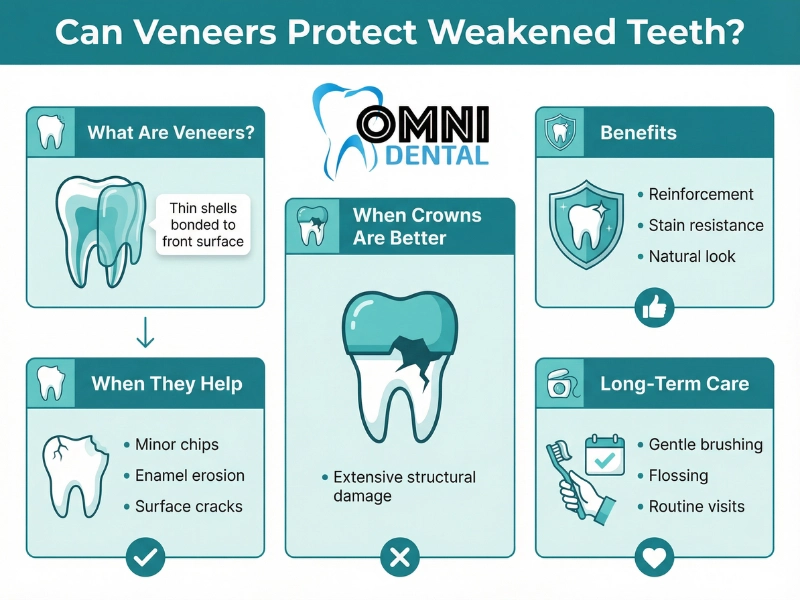
- Veneers are thin porcelain shells bonded to the front surface of a tooth.
- They can reinforce teeth with minor chips, surface cracks, or mild enamel erosion.
- A strong bond needs enough healthy enamel, so a dentist checks enamel thickness first.
- Crowns usually protect better when damage goes deeper into the tooth.
- Gentle brushing, daily flossing, and avoiding hard objects help veneers last.
Estimated read: 3 min
How dental veneers support fragile smiles and improve long term tooth structure
When patients ask, Can Veneers Protect Weakened Teeth?, they usually worry about cracks, enamel erosion, or worn edges. Many people also struggle with dental issues caused by acid reflux, gum disease, or years of grinding. As a cosmetic dental solution, dental veneers can improve appearance. However, they can also support the front surface of natural teeth in specific cases.
Dental veneers are thin shells that bond to the front surface of a natural tooth. Dentists use them to improve shape, color, and alignment. Porcelain veneers remain stain resistant and look natural. Because veneers are thin, the dentist performs minimal enamel removal before placement. This preparation allows the veneer to fit smoothly while covering the front surfaces of teeth.
Understanding Enamel Erosion and Tooth Structure
The layer of enamel protects each natural tooth from daily pressure and bacteria. However, enamel erosion weakens this barrier. Acid reflux, sugary foods, and grinding gradually wear down enamel. As a result, teeth become sensitive and fragile.
When enamel becomes thin, the underlying tooth structure faces greater stress. Therefore, dentists must evaluate how much enamel remains before recommending dental veneers. If enough structure stays intact, veneers can reinforce the front surface while improving cosmetic dental concerns.
How Porcelain Veneers Add Strength
Porcelain veneers bond securely to natural teeth. Because of this strong bond, they create a reinforced outer surface. Although veneers focus on covering the front surfaces, they can strengthen weak teeth that have minor chips or surface cracks.
In addition, porcelain veneers are stain resistant and maintain their appearance for years. With proper care and regular checkups, patients often enjoy long term results. Preventive visits also help control gum disease and other dental issues that may affect durability.
Veneers Compared to Other Dental Treatments
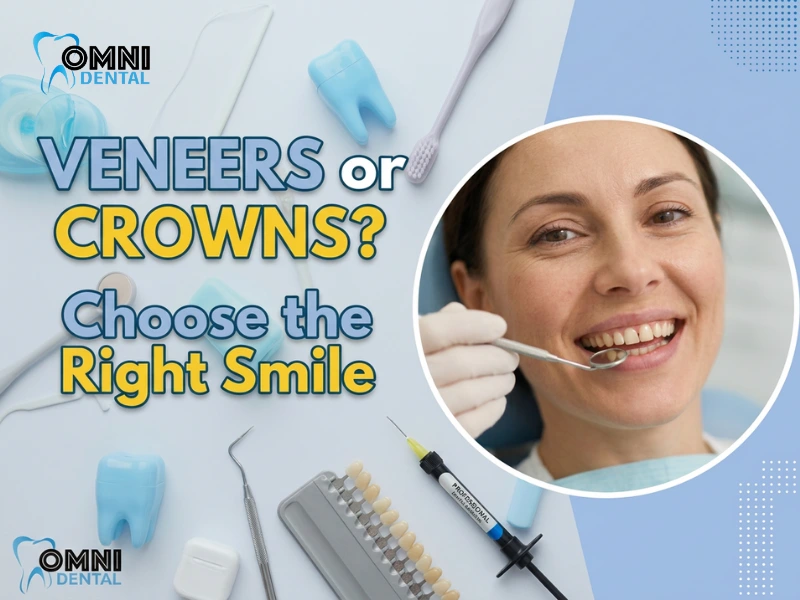
Many patients compare veneers with crowns or bonding. While crowns cover the entire natural tooth, veneers focus only on the front surface. Therefore, dentists often recommend veneers for cosmetic dental improvements and mild structural problems.
If damage extends deeper into the tooth structure, other dental treatments may offer stronger protection. A full exam helps determine the best option based on enamel erosion, bite pressure, and overall oral health.
The Role of Proper Care in Long Term Success
Veneers protect natural teeth best when patients follow proper care routines. Brush gently with non abrasive toothpaste and floss daily. These habits reduce the risk of gum disease and protect both the veneer and the natural tooth underneath.
Avoid chewing hard objects. Schedule routine dental visits. Although veneers are thin, they remain durable when patients protect them consistently. Good habits support long term strength and appearance.
| Section | Summary |
|---|---|
| What veneers are | Dental veneers are thin shells, often porcelain, bonded to the front surface of natural teeth to improve shape, color, and alignment. |
| How they can help weakened teeth | Veneers can reinforce the outer enamel layer and help protect teeth with minor chips, surface cracks, worn edges, or mild enamel erosion. |
| Key requirement | Veneers need adequate remaining enamel for a strong bond, a dentist must evaluate enamel thickness and tooth stability first. |
| Why porcelain is popular | Porcelain veneers are stain resistant, look natural, and can maintain appearance for years with proper care and routine checkups. |
| When crowns may be better | If damage is extensive or deeper into the tooth structure, crowns or other treatments may provide stronger full coverage protection. |
| Care tips for long term success | Brush gently with non abrasive toothpaste, floss daily, avoid chewing hard objects, and keep regular dental visits to reduce gum disease risk. |
| Bottom line | Veneers can help protect and strengthen mildly weakened teeth, but the right choice depends on enamel condition, bite pressure, and overall oral health. |
Are Veneers the Right Choice for Your Smile?
Many people searching online ask, can veneers protect weakened teeth? The answer depends on the condition of your natural teeth and the extent of enamel erosion. When damage affects only the outer layer of enamel and the tooth structure remains stable, dental veneers can strengthen weak teeth while enhancing appearance.
If you experience dental issues related to acid reflux, worn enamel, or minor fractures, schedule a consultation with a local cosmetic dental provider. Early evaluation helps protect your smile and supports long term oral health.
FAQs About Veneers and Weak Teeth
Are veneers good for weak teeth?
Veneers are thin restorations that can strengthen weak teeth when enamel erosion affects only the front surface. They support natural teeth and improve cosmetic dental appearance.
Can veneers protect damaged teeth?
Veneers can protect damaged teeth when cracks or wear remain limited to the outer tooth structure and do not involve deep decay.
What happens after 10 years of having veneers?
With proper care, porcelain veneers remain stain resistant and functional for many years, although replacement may eventually become necessary.

About the author
Dr. Bilus D PolesDDS,MAGD,DICOI, DIDIA
Founder and lead dentist of Omni Dental of Arlington Heights. Master of the Academy of General Dentistry and Board Certified Diplomate of the ICOI and IDIA. Illinois license #019.027365.