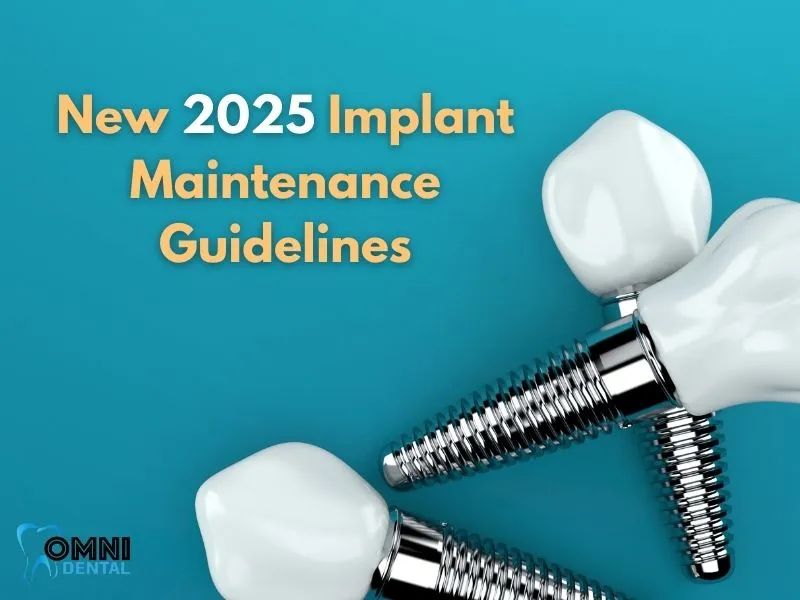
Current implant maintenance guidelines call for professional cleanings every three months in the first year, plus annual X-rays to check bone levels. Low-risk patients may stretch visits to every 4 to 6 months. Daily brushing with a soft brush and cleaning between implants help prevent peri-implantitis, a main cause of implant failure.
Key Takeaways
- Peri-implant mucositis affects the gums, while peri-implantitis causes bone loss around the implant.
- Smoking, poor oral hygiene, and uncontrolled diabetes raise the risk of implant disease.
- A baseline X-ray after the final crown, then yearly X-rays, help catch bone loss early.
- Implants need non-scratching tools such as air polishing and plastic-tipped ultrasonic scalers.
- Patients who grind their teeth may need a night guard to protect their implants.
Estimated read: 5 min
Why Implant Maintenance Matters More Than Ever
Dental implants have revolutionized restorative dentistry, offering patients a long-lasting solution for missing teeth. However, even the most successful implants are vulnerable to failure without proper care. New evidence-based implant maintenance guidelines underscore the importance of professional cleanings, patient education, and precise monitoring to significantly reduce the risk of peri-implant diseases.
Understanding Peri-Implant Diseases and Risk Factors
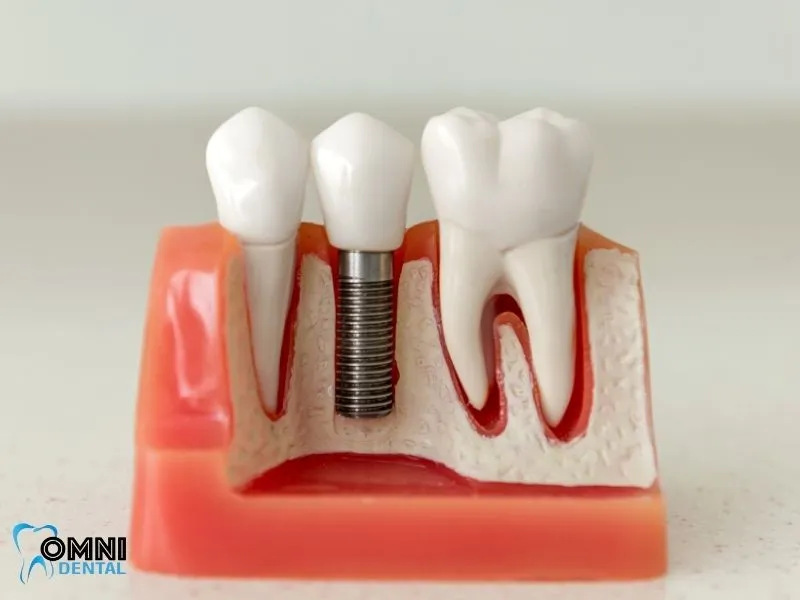
Peri-implant mucositis and peri-implantitis are two major conditions that threaten implant success. While mucositis affects soft tissue, peri-implantitis involves bone loss around the implant. Left unchecked, these diseases can lead to implant failure.
Patients with poor oral hygiene, smoking habits, or uncontrolled diabetes are especially at risk. Educating patients about these risk factors and stressing consistent home care can make a measurable difference. A systematic review found that “regular maintenance and optimal oral hygiene are critical in preventing and managing peri-implant mucositis.”
Routine Maintenance Protocols: The 3-Month Rule
One key update in modern implant care is the recommendation for three-month recall intervals, particularly during the first year after implant placement. These appointments help control biofilm around the implant site, detect early signs of disease, and ensure proper healing.
According to Nature’s consensus guidelines, these visits are part of a structured supportive peri-implant care (SPIC) program, which includes:
| SPIC Program Component |
|---|
| Plaque and biofilm control |
| Early disease detection |
| Radiographic monitoring |
Some low-risk patients may extend to 4–6-month recalls, but for most, three-month maintenance provides optimal protection.
Radiographs and Early Detection
Radiographic evaluations play a critical role in detecting early bone loss. A baseline radiograph should be taken after the final crown is placed. Then, annual periapical or bitewing x-rays are recommended to assess the crestal bone level.
When standard imaging shows potential issues, cone-beam CT (CBCT) can offer a 3D view of the implant site, giving clinicians a more accurate picture of any developing pathology.
Clinical Exams: Mobility, Occlusion, and More
At every maintenance visit, hygienists should evaluate implant mobility, bleeding on probing, and pocket depth. While mobility often indicates crown loosening, true implant movement signals possible failure.
Proper occlusal evaluation is also essential. Dental implants lack the flexibility of natural teeth, so bruxism or misaligned bites can lead to mechanical failure, including fractures. Recent studies advocate for occlusal night guards in patients who grind or clench.
Instrumentation and Plaque Removal Techniques
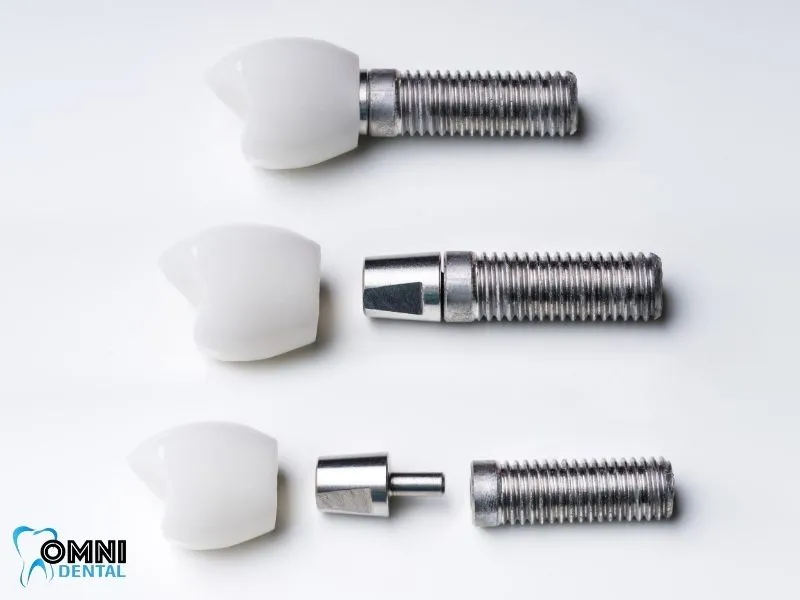
Unlike natural teeth, dental implants require specialized tools for safe cleaning. Improper instruments can cause scratching the implant surface, leading to microbial colonization and disease. Evidence-based recommendations include:
| Evidence-Based Cleaning Recommendation | Details |
|---|---|
| Air polishing with glycine or erythritol powder | Gently removes biofilm and reduces pocket depth; superior to traditional curettes. |
| Ultrasonic scalers with plastic or PEEK tips | Effective cleaning with minimal abrasion to implant surfaces. |
| Titanium or carbon fiber curettes | Match implant alloy, reduce contamination risk. |
| Clinical trial findings | Air polishing and ultrasonic debridement outperform plastic hand scalers in controlling peri-implant diseases. |
A clinical trial confirmed that both air polishing and ultrasonic debridement are superior to plastic hand scalers in controlling peri-implant diseases.
Patient Education: Home Care Essentials
Patients must understand that implant longevity depends as much on their daily habits as on professional care. At Omni Dental, every hygiene visit reinforces home-care techniques like:
-
Using soft-bristle toothbrushes
-
Cleaning interdentally with floss or interdental brushes
-
Incorporating water flossers with antimicrobial rinses such as chlorhexidine
A 2025 study found that water flossers with chlorhexidine significantly reduced peri-implant inflammation compared to water alone. However, patients should be warned about possible mucosal irritation and interproximal staining with long-term use.
Special Considerations for Full Arch and Complex Cases
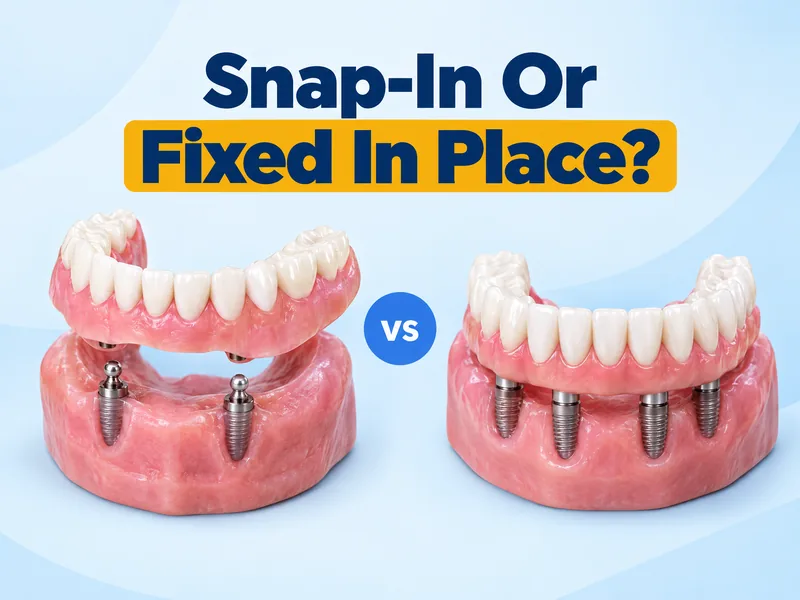
Patients with full arch restorations or All-on-4 implants often need custom maintenance protocols. These cases require advanced cleaning aids and often more frequent recalls due to the difficulty in accessing prosthetic components. Hygienists must tailor recommendations to the individual, balancing efficacy and ease of use.
Preventing Peri-Implant Diseases: A Team Approach
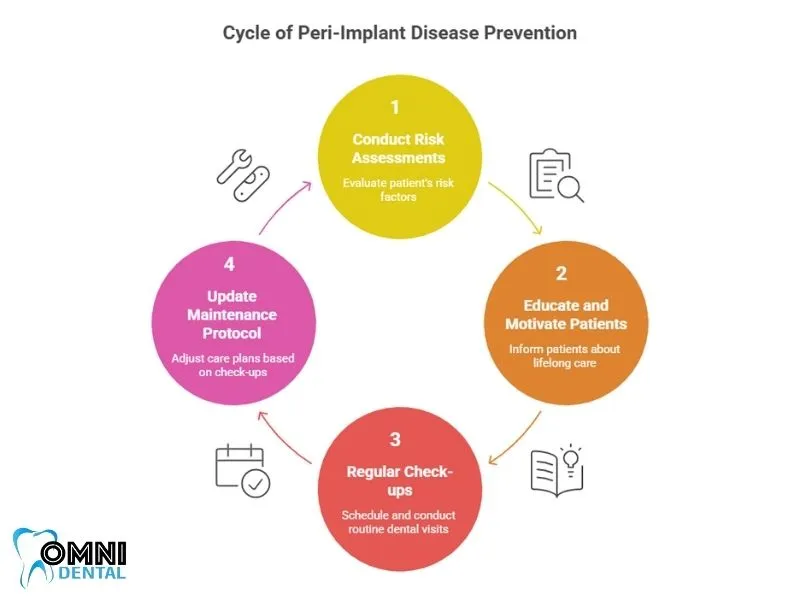
A recent consensus emphasized that “effective professional supportive care and early intervention for mucositis” are the best ways to prevent peri-implantitis. Omni Dental follows a collaborative model where hygienists, dentists, and patients work as a team.
This includes:
-
Risk assessments
-
Patient motivation and education
-
Regular check-ups and updates to the maintenance protocol
When patients understand that dental implants require lifelong care, they’re more likely to commit to preserving their oral health.
Long-Term Success Starts Today
Dental implants are an investment—both in health and in finances. But without proper maintenance, that investment is at risk. By following the latest implant maintenance guidelines, including professional debridement, customized home care, and routine evaluations, patients can enjoy decades of healthy smiles.
Omni Dental is proud to bring the latest science-backed strategies to Arlington Heights, helping protect smiles one implant at a time. If you’re unsure about your current implant care plan, now is the time to schedule a professional evaluation and start protecting your investment.
Need expert care for your dental implants? Contact Omni Dental in Arlington Heights and schedule your personalized implant maintenance consultation today.

About the author
Dr. Bilus D PolesDDS,MAGD,DICOI, DIDIA
Founder and lead dentist of Omni Dental of Arlington Heights. Master of the Academy of General Dentistry and Board Certified Diplomate of the ICOI and IDIA. Illinois license #019.027365.