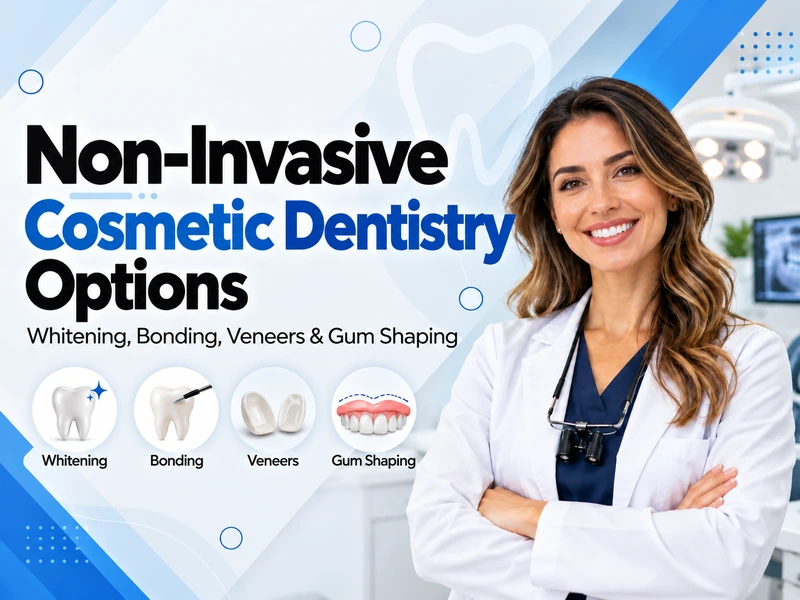
Non-invasive cosmetic dentistry improves your smile without surgery or long recovery. Common options include professional teeth whitening, dental bonding and clear aligners. Many treatments need little or no removal of tooth structure. Your dentist can recommend the option that fits your smile goals and oral health.
Key Takeaways
- Non-invasive cosmetic dentistry options allow you to improve your smile without surgery or extraction.
- Professional teeth whitening, dental bonding, and ultra-thin veneers are among the most popular minimally invasive cosmetic dental procedures.
- These cosmetic dental treatments offer faster results, shorter recovery times, and lower costs than invasive alternatives.
- Cosmetic dentists can address chips, cracks, discoloration, and alignment issues while preserving natural tooth structure.
Read time: 7 min
Here’s what you need to know about minimally invasive cosmetic dentistry and which procedure might be right for your smile goals.
What is Cosmetic Dentistry?
Cosmetic dentistry focuses on improving the appearance of your teeth, gums, and bite. Unlike restorative dentistry, which repairs damage or restores function, cosmetic dental procedures are primarily elective and designed to enhance aesthetics.
Today’s minimally invasive options preserve your natural tooth structure while delivering results. Whether you want to brighten yellowed teeth, close gaps, or mask chips and cracks, there is a procedure suited to your needs and budget.
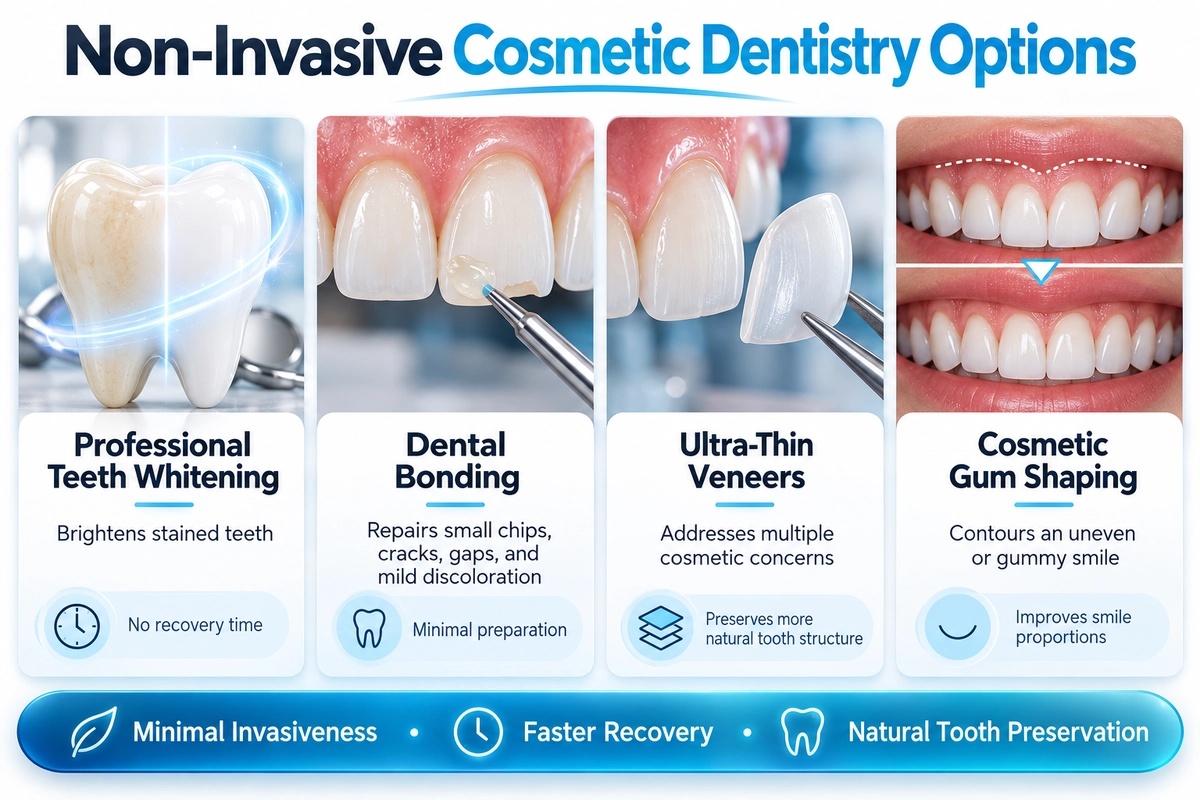
Non-Invasive Cosmetic Dentistry Options: Your Complete Guide
Professional Teeth Whitening
Professional teeth whitening is the least invasive cosmetic dental procedure available. It is also among the most popular because results are immediate and affordable.
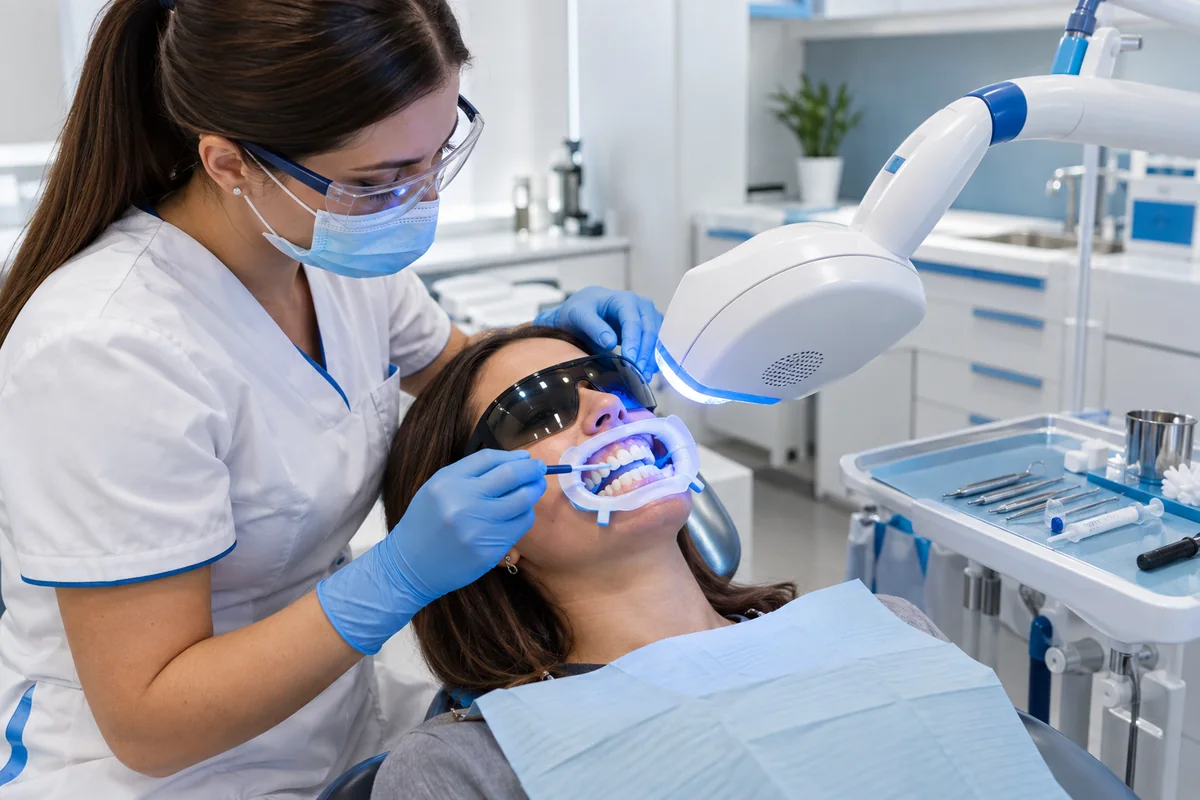
How it works: Your cosmetic dentist applies office whitening gel containing peroxide or carbamide peroxide to your tooth surfaces. This bleaching agent penetrates enamel to remove deep stains caused by coffee, wine, age, or smoking. Many offices use activation lights to accelerate the whitening process.
Why choose professional whitening:
- Results visible after a single 30-60 minute appointment
- Much stronger formulations than over-the-counter products
- Professional supervision ensures safe application
- Typically whitens teeth 2-8 shades lighter
- No recovery time required
- Results last 6 months to 2 years with maintenance
Dental Bonding
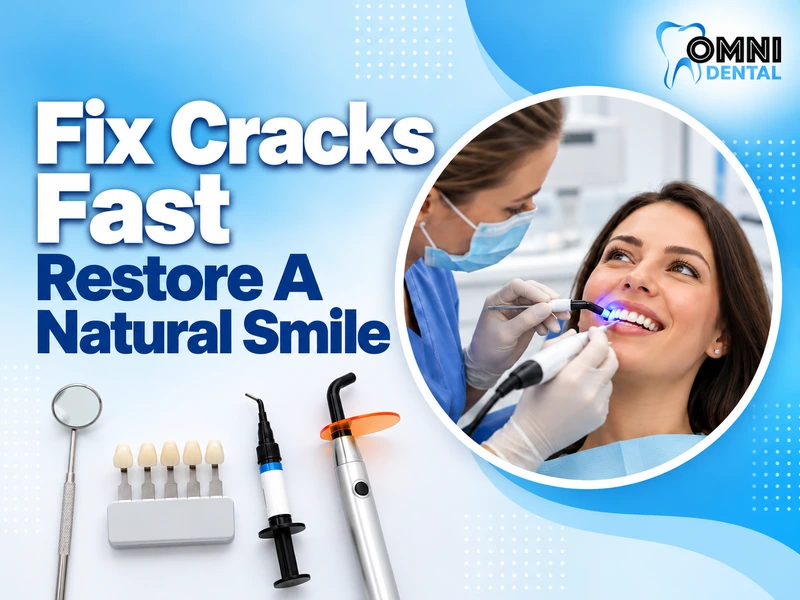
Dental bonding uses tooth-colored resin to repair damage and improve appearance. This cosmetic dental procedure is ideal for patients seeking to fix chips, cracks, and minor discoloration while enhancing your smile.
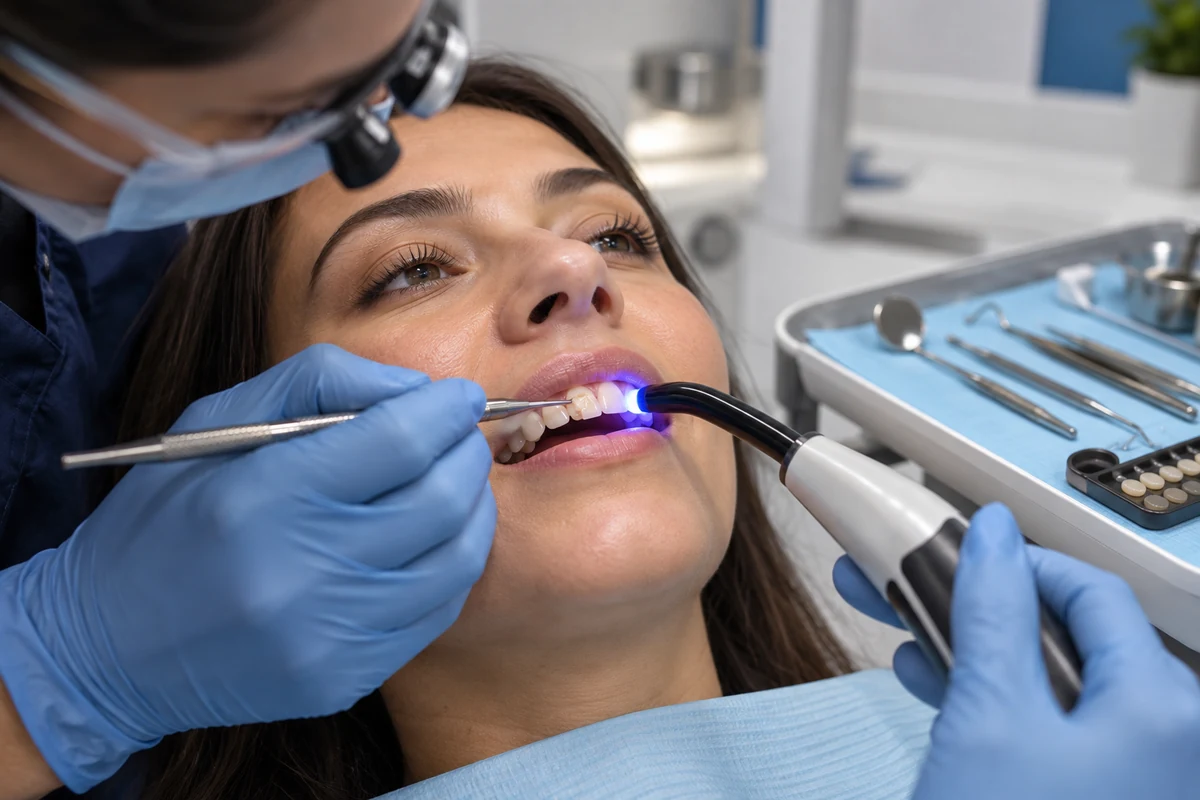
How it works: Your dentist applies a tooth-colored composite resin directly to the affected tooth. The material is shaped and hardened using a specialized light. Because the resin bonds to your natural tooth, minimal preparation is needed, and recovery times are nonexistent.
Why choose dental bonding:
- Completed in a single visit
- Minimal tooth preparation compared to veneers
- Tooth-colored composite matches natural enamel
- Affordable relative to other cosmetic dental treatments
- Reversible if you want to change or remove it
- Can close small gaps and mask minor stains
Best for: Small chips, cracks, minor gaps, or mild discoloration on one or a few teeth.
Porcelain Veneers and Ultra-Thin Veneers
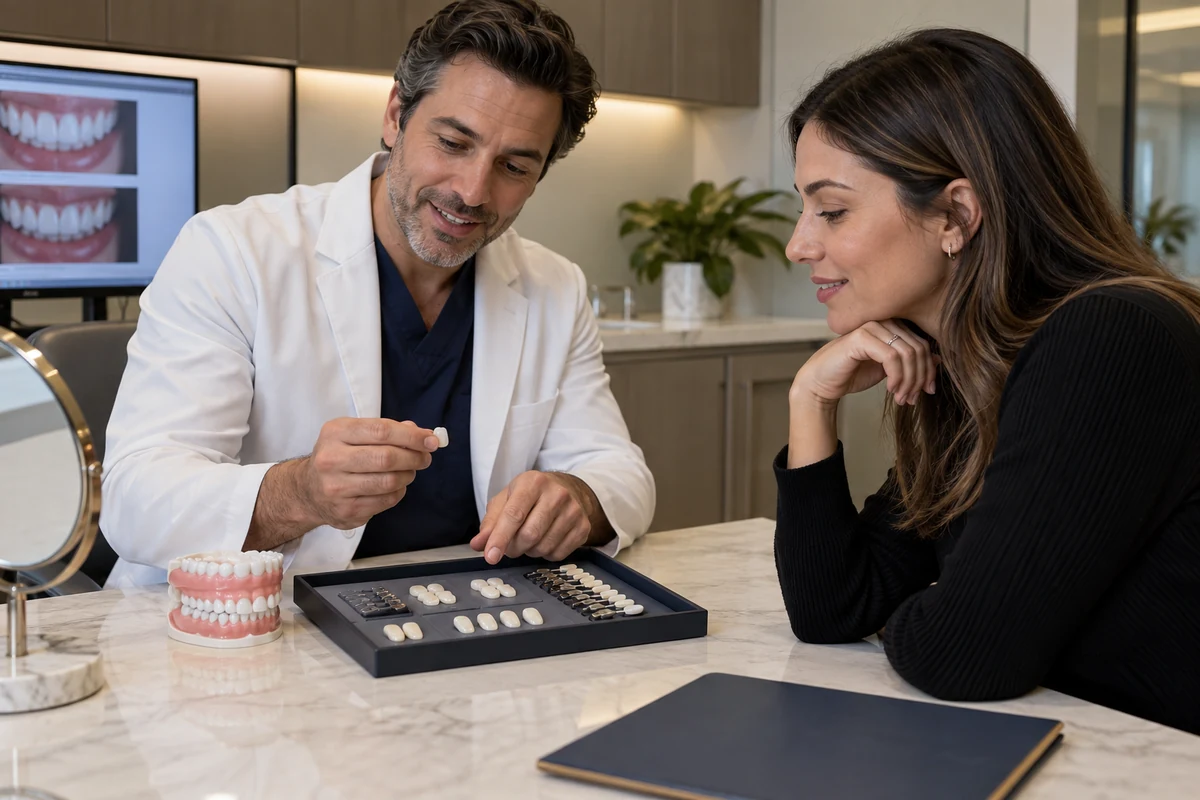
Veneers are thin shells of dental ceramic bonded to your teeth. They are among the most transformative non-invasive options available.
Traditional porcelain veneers: Require moderate tooth preparation and multiple visits. They last 10-15 years and address significant cosmetic concerns.
Ultra-thin veneers (no-prep veneers): Require minimal to no tooth preparation. These shells preserve more natural tooth structure while delivering dramatic aesthetic improvements.
Why choose veneers:
- Address multiple cosmetic concerns with one procedure: discoloration, chips, gaps, minor misalignment
- Create a bright, uniform smile across all visible teeth
- Stain-resistant porcelain maintains appearance for years
- Look and feel completely natural
- Ultra-thin veneers minimize tooth preparation
- Results are immediate and transformative
Best for: Comprehensive smile makeovers, multiple cosmetic concerns, or patients wanting dramatic transformation with minimal invasiveness.
Cosmetic Gum Shaping
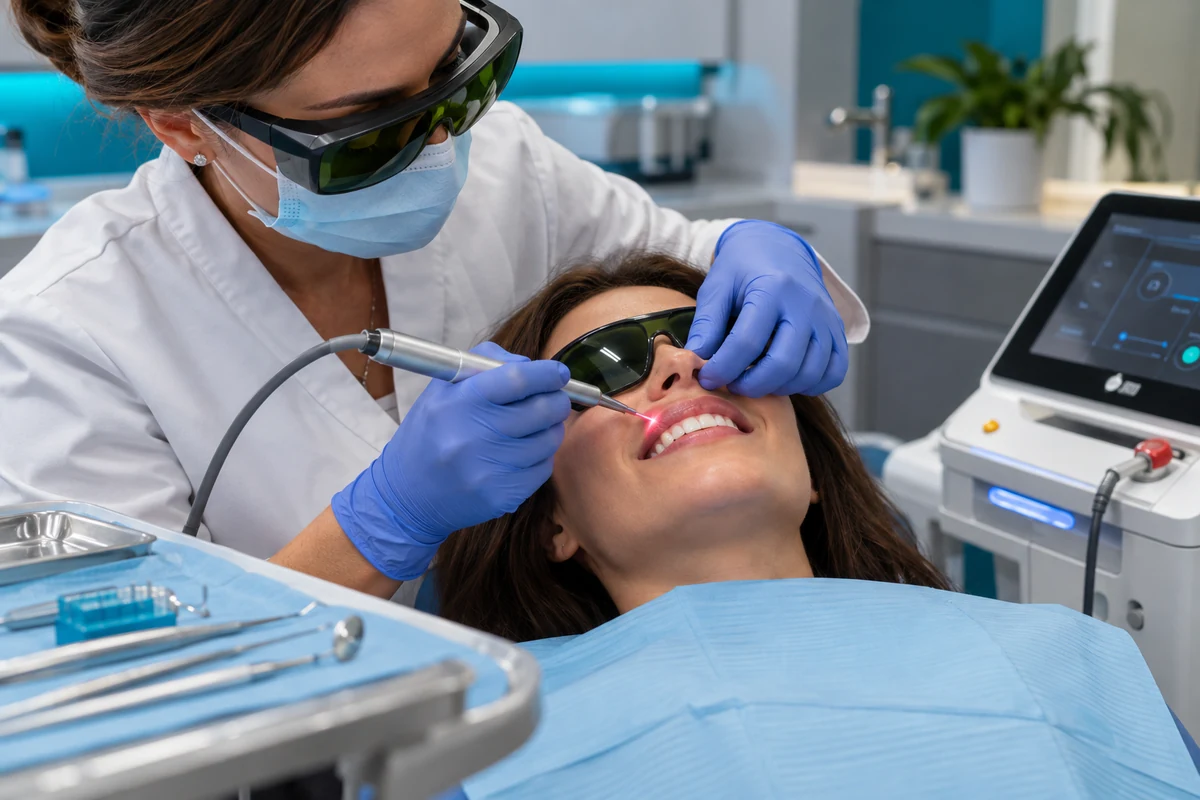
A “gummy smile” or uneven gum line can detract from your appearance. Cosmetic gum shaping uses laser technology to contour your gum line for better proportions. This reveals more tooth surface and creates a more balanced smile.
Recovery Times and What to Expect
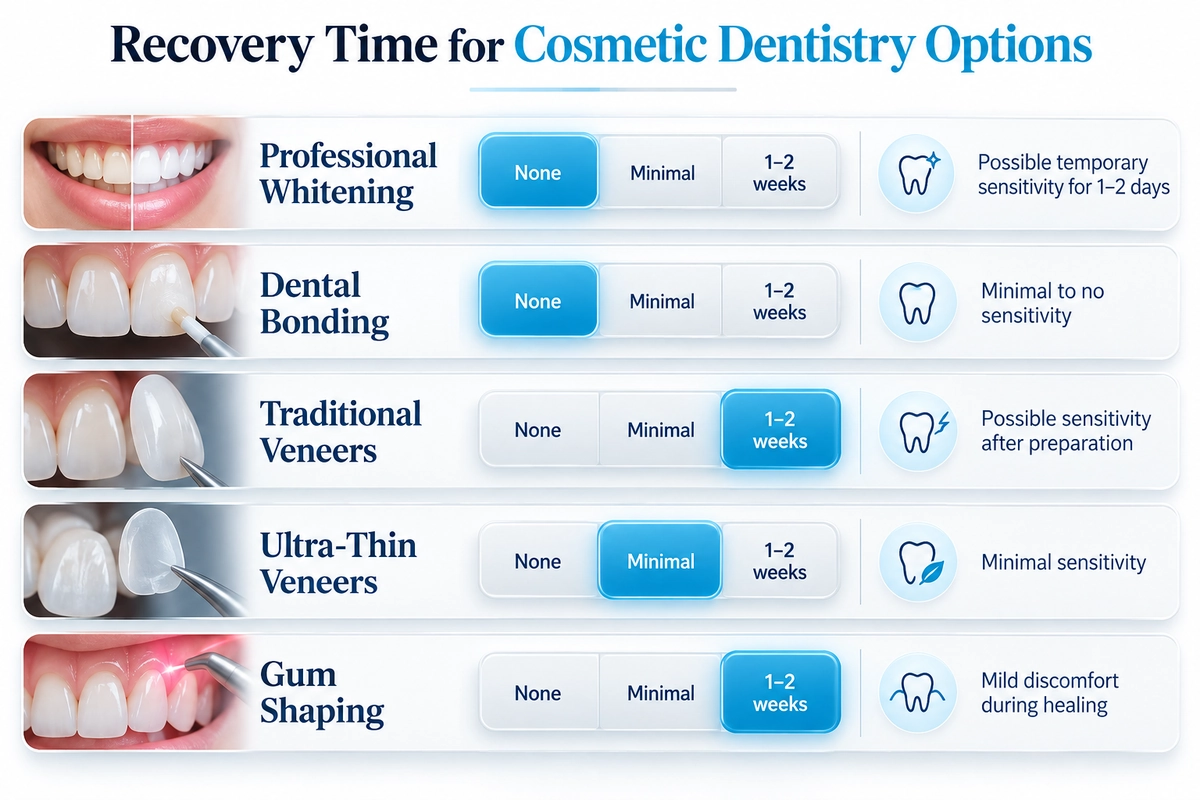
One of the major advantages of non-invasive cosmetic dentistry options is minimal recovery time. Here’s what you can expect after each procedure:
| Cosmetic Procedure | Recovery Time | Sensitivity |
|---|---|---|
| Professional Whitening | None | Possible temporary sensitivity (1-2 days) |
| Dental Bonding | None | Minimal to none |
| Traditional Veneers | 1-2 weeks | Possible after preparation |
| Ultra-Thin Veneers | Minimal | Minimal |
| Gum Shaping | 1-2 weeks | Mild discomfort during healing |
The most appealing aspect of these minimally invasive cosmetic dentistry options is that you can enhance your smile without taking extended time off work or managing significant side effects. Most patients return to normal activities immediately.
Ready to transform your smile?
Schedule a cosmetic consultation today to discuss which non-invasive option is right for you.
Frequently Asked Questions
What is cosmetic dentistry?
Cosmetic dentistry is dental treatment focused on improving the appearance of your smile. Unlike restorative dentistry, which repairs cavities or damaged teeth, cosmetic dental procedures are elective enhancements designed to brighten, straighten, or reshape your teeth. Cosmetic procedures range from minimally invasive options like professional whitening and bonding to more comprehensive treatments like veneers. Most cosmetic procedures preserve your natural tooth structure while delivering dramatic aesthetic improvements.
What do dentists recommend instead of veneers?
The best alternative to veneers depends on your specific concerns. If you want to whiten discolored teeth, professional office whitening is less invasive and more affordable. Dental bonding using tooth-colored resin is ideal for minor chips or small gaps, offering a simpler, reversible option. Hesitant about traditional veneers? Ultra-thin veneers (no-prep veneers) offer similar cosmetic benefits while preserving more natural tooth structure. When it comes to alignment issues, invisible braces or clear aligners are non-invasive alternatives to straightening teeth. Your cosmetic dentist can recommend the best option after evaluating your smile and goals.
How can I whiten my teeth without veneers?
Professional teeth whitening is the most direct way to brighten discolored teeth without veneers. Office whitening uses stronger bleaching formulations than over-the-counter products and can whiten teeth 2-8 shades in a single appointment. Professional whitening is also safer because your dentist controls application and ensures your gums are protected. If discoloration is severe or caused by internal staining, your cosmetic dentist may recommend a combination approach: whitening plus dental bonding to mask remaining discoloration. For ongoing maintenance, ask your dentist about professional take-home trays or in-office touch-up appointments to preserve your results.
Why Non-Invasive Cosmetic Dentistry Makes Sense
Minimally invasive cosmetic dentistry has revolutionized smile enhancement. Whether you want professional teeth whitening, cosmetic bonding, or ultra-thin veneers, these procedures offer faster results, minimal recovery, and lower costs than invasive alternatives.
A skilled cosmetic dentist will listen to your desires, evaluate your smile, and recommend the best non-invasive option to achieve your aesthetic goals while preserving your natural tooth structure. Ready to improve your smile? Contact us today for a personalized cosmetic consultation.
About the author
Dr. Bilus D PolesDDS,MAGD,DICOI, DIDIA
Founder and lead dentist of Omni Dental of Arlington Heights. Master of the Academy of General Dentistry and Board Certified Diplomate of the ICOI and IDIA. Illinois license #019.027365.