Periodontal disease treatment in Arlington Heights IL depends on the stage: cleanings and better home care for gingivitis, scaling and root planing for periodontitis. Severe cases may need flap surgery or bone and tissue grafts. Early treatment helps prevent tooth loss, but deep cleaning cannot rebuild bone already lost.
Quick Read Summary
This guide covers the essential aspects of **periodontal disease treatment** in Arlington Heights, IL. It discusses the causes of gum disease, including plaque buildup, and treatment options such as deep cleaning, scaling and root planing. Regular dental checkups are crucial for preventing the progression of gum disease. Early intervention can help avoid severe issues like tooth loss and ensure long-term oral health. This summary includes treatment options for both mild and advanced gum disease, alongside tips for maintaining healthy gums and teeth.
periodontal-disease-treatment-arlington-heights-il
|
Keeping up regular visits with a dental professional is the best way to protect your gums for years to come.
What is Periodontal Disease?
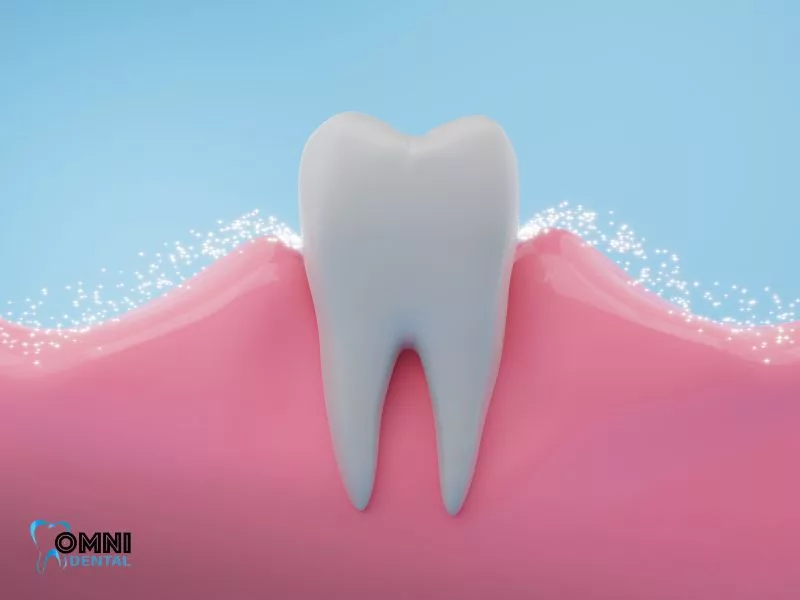
Periodontal disease typically begins with gingivitis and, if left untreated, can develop into a more severe form that affects the gums and surrounding tissues. This condition is caused by plaque and tartar that build up around the gum line and root surface of your teeth, leading to infection.
If left untreated, this can progress, and more intensive procedures like scaling and root planing will be required to remove the plaque and bacteria below the gum line.
The Importance of Regular Dental Cleanings
Regular dental cleanings are essential in preventing plaque and tartar buildup, which are major contributors to gum disease. A dental professional performs these cleanings to thoroughly clean your gum line and root surface, ensuring that bacteria are effectively removed. If gum disease has already set in, a deep cleaning such as scaling and root planing may be recommended to clean beneath the gums and smooth the root surfaces to reduce further bacterial buildup.
Periodontists specialize in periodontal care, and their approach to treating gum disease focuses on advanced periodontal techniques that aim to restore your gum health and prevent further damage.
Treatment Options for Gum Disease
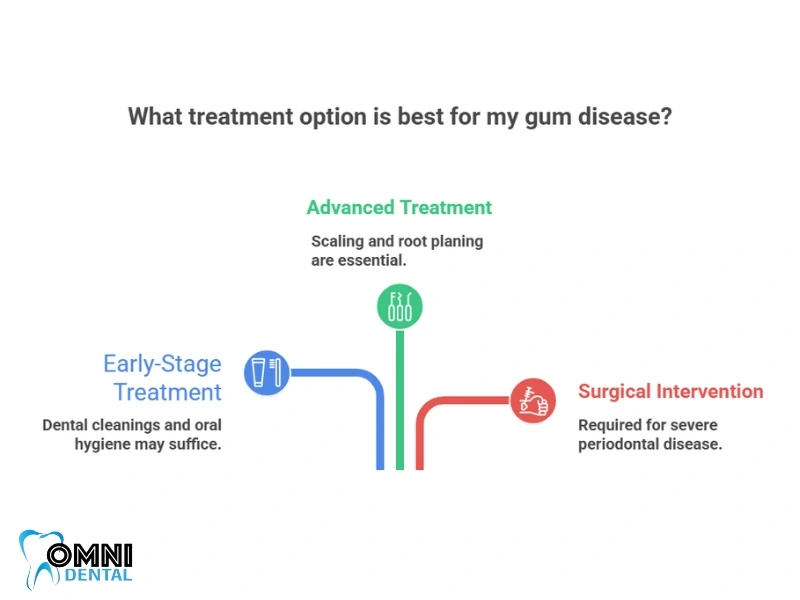
The treatment options for gum disease depend on the stage of the disease. For early-stage gum disease, dental cleanings and consistent oral hygiene may be enough. However, for more advanced cases, scaling and root planing are essential for removing plaque and tartar from deeper areas where bacteria accumulate. In some cases, surgical intervention may be required for more severe periodontal disease in Arlington Heights.
For those seeking more effective ways to treat gum disease and achieve a beautiful smile, it’s worth exploring the comprehensive treatment options available, detailed in this treatment options guide.
Medical History and Overall Health Impact
Your medical history plays a significant role in your risk of developing gum disease. Conditions such as diabetes, heart disease, and medications that affect saliva production can increase your vulnerability. It’s essential to discuss your overall health with your dental professional so they can create a personalized treatment plan. Additionally, maintaining good oral hygiene can reduce the impact of these risk factors, keeping your gums and teeth healthy.
If you’re also concerned about a gummy smile, treatments to help you get rid of a gummy smile may be relevant to your overall periodontal care.
The Role of Periodontal Treatment in Maintaining Oral Health
Studies show that periodontal treatment not only manages gum disease but also reduces the risk of tooth loss and other complications. By utilizing procedures such as scaling and root planing, your dentist in Arlington Heights IL can help you maintain healthy gums and strong teeth. These treatments are key in stopping the progression of gum disease and ensuring long-term oral health.
Periodontal Disease Treatment Overview
| Category | Key Information |
|---|---|
| Condition Name | Periodontal (Gum) Disease |
| Early Stage | Gingivitis – inflammation caused by plaque buildup |
| Advanced Stage | Periodontitis – infection that damages gum tissue and bone |
| Main Causes | Plaque and tartar accumulation, poor oral hygiene, smoking, certain medical conditions (diabetes, heart disease) |
| Common Symptoms | Bleeding gums, bad breath, gum recession, loose teeth, swelling |
| Prevention Tips | Brush twice daily, floss regularly, schedule professional cleanings, avoid smoking |
| Non-Surgical Treatments | Scaling and root planing (deep cleaning), antibiotics if needed |
| Surgical Treatments | Flap surgery, bone or tissue grafts for severe cases |
| Specialist | Periodontist – dentist specializing in gum health |
| Local Focus | Available in Arlington Heights, IL |
Frequently Asked Questions
How can I prevent periodontal disease from progressing?
Regular dental cleanings, scaling and root planing, and proper oral hygiene are essential to prevent gum disease from advancing. Your dental professional can help you manage plaque and tartar buildup, stopping further damage to your gum line and root surface.
Can deep cleaning reverse gum disease?
Deep cleaning (also known as scaling and root planing) can significantly improve gum health by removing plaque and tartar, but it cannot reverse bone or tissue loss that has already occurred.
How does my medical history impact periodontal disease treatment?
Your medical history influences your susceptibility to gum disease. Conditions such as diabetes, heart disease, or medications affecting your saliva flow can increase your risk. It’s important to inform your dental professional about your overall health to ensure the best treatment plan.
Can I get dental implants if I have periodontal disease?
If periodontal disease has caused significant bone loss, additional treatments may be necessary before you can qualify for dental implants. Your dentist will evaluate your oral health and determine the best approach for you.
Take Action Now to Protect Your Gum Health and Enhance Your Smile
Periodontal disease treatment in Arlington Heights IL is a crucial step in maintaining your oral health. From scaling and root planing to deep cleaning and advanced treatments for severe gum disease, early intervention is crucial for preventing further complications. By taking care of your gum line, root surface, and practicing good oral hygiene, you can ensure that your smile stays healthy and vibrant for years to come.

About the author
Dr. Bilus D PolesDDS,MAGD,DICOI, DIDIA
Founder and lead dentist of Omni Dental of Arlington Heights. Master of the Academy of General Dentistry and Board Certified Diplomate of the ICOI and IDIA. Illinois license #019.027365.