
Quick SummeryDental arches are vital for maintaining proper oral health, function, and aesthetics. This guide explains their structure, role in oral health, and how to keep them in optimal condition.
understanding-the-role-of-dental-arches-in-oral-health
|
Exploring the Significance of Dental Arches in Oral Health and Functionality
Dental arches are the foundation of a healthy mouth, playing a vital role in maintaining proper function, aesthetics, and overall oral health. But what exactly are dental arches, and why do they matter so much? In this guide, we’ll explore their structure, functions, and practical tips to keep them in optimal condition.
What Are Dental Arches?
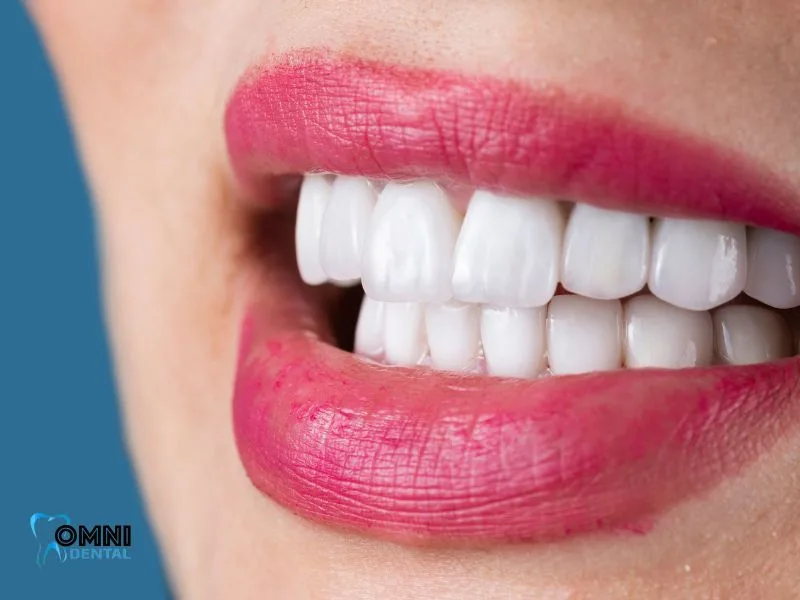
Dental arches are the curved structures formed by the upper and lower jaws, housing all of your teeth. These arches are essential for chewing, speaking, and providing support to the facial structure. The upper arch, supported by the maxilla, typically has 16 teeth, while the lower arch, supported by the mandible, houses 14 teeth.
The arrangement of teeth in each arch is specific, with incisors, canines, premolars, and molars working together to create a balanced bite. This alignment is crucial for efficient chewing and clear speech.
For a detailed explanation of the structure and arrangement of dental arches, check out our comprehensive guide on dental arches.
The Role of Dental Arches in Oral Health
Dental arches are more than just a framework for your teeth, they play a pivotal role in overall oral health. Here’s how:
- Efficient Chewing: Proper alignment of teeth in the dental arches allows for effective breakdown of food, aiding digestion.
- Clear Speech: The positioning of teeth within the arches contributes to proper pronunciation and clarity of speech.
- Facial Support: Dental arches help maintain the shape and structure of the face, preventing sagging that can occur with missing teeth.
- Jaw Stability: A well-aligned dental arch ensures a balanced bite, reducing strain on the jaw joints and muscles.
Common Issues with Dental Arches
Problems with the dental arches can lead to a range of oral health issues. Some common problems include:
- Misalignment: Crooked or overcrowded teeth can disrupt the symmetry of the arches, leading to bite issues and increased wear on teeth.
- Tooth Loss: Missing teeth can compromise the stability and function of the arches.
- Decay and Disease: Poor oral hygiene can weaken the teeth and gums, affecting the overall health of the arches.

How to Maintain Healthy Dental Arches
Maintaining the health and alignment of your dental arches is essential for long-term oral health. Here are some tips to keep them in top shape:
| Topic | Description |
|---|---|
| Regular Dental Checkups | Visit your dentist at least twice a year to monitor the alignment and health of your dental arches. |
| Proper Oral Hygiene | Brush and floss daily to prevent decay and gum disease. |
| Orthodontic Care | If misalignment is detected, orthodontic treatments like braces or aligners can help restore proper alignment. |
| Protective Measures | Wear a mouthguard during sports or at night if you grind your teeth to protect your arches from damage. |
When to See a Dentist
If you experience difficulty chewing, speaking, or notice changes in your bite, it’s important to consult your dentist. Early intervention can prevent minor issues from becoming major problems.
Frequently Asked Questions (FAQs)
What is the function of a dental arch?
The dental arch serves as the foundation for the teeth in both the upper and lower jaws. It plays a crucial role in efficient chewing, clear speech, and providing facial support. A well-aligned dental arch ensures that the teeth are properly positioned to break down food effectively, pronounce words clearly, and help maintain the shape of the face.
What does a healthy dental arch look like?
A healthy dental arch is properly aligned with the teeth arranged in a balanced and symmetrical way. It allows for efficient chewing and clear speech. The arch should support the teeth properly, with no overcrowding, misalignment, or gaps. Healthy gums and regular dental checkups help maintain the health and alignment of the dental arch.
What are the different dental arches?
There are two main dental arches: the upper arch (maxilla) and the lower arch (mandible). The upper arch typically contains 16 teeth, while the lower arch contains 14. Each arch houses different types of teeth, including incisors, canines, premolars, and molars, which work together to aid in chewing and contribute to clear speech.

About the author
Dr. Bilus D PolesDDS,MAGD,DICOI, DIDIA
Founder and lead dentist of Omni Dental of Arlington Heights. Master of the Academy of General Dentistry and Board Certified Diplomate of the ICOI and IDIA. Illinois license #019.027365.