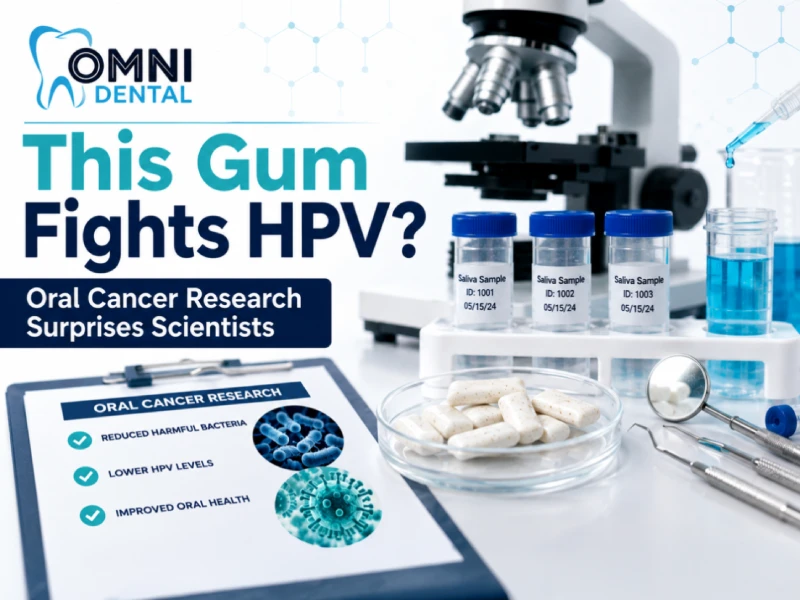
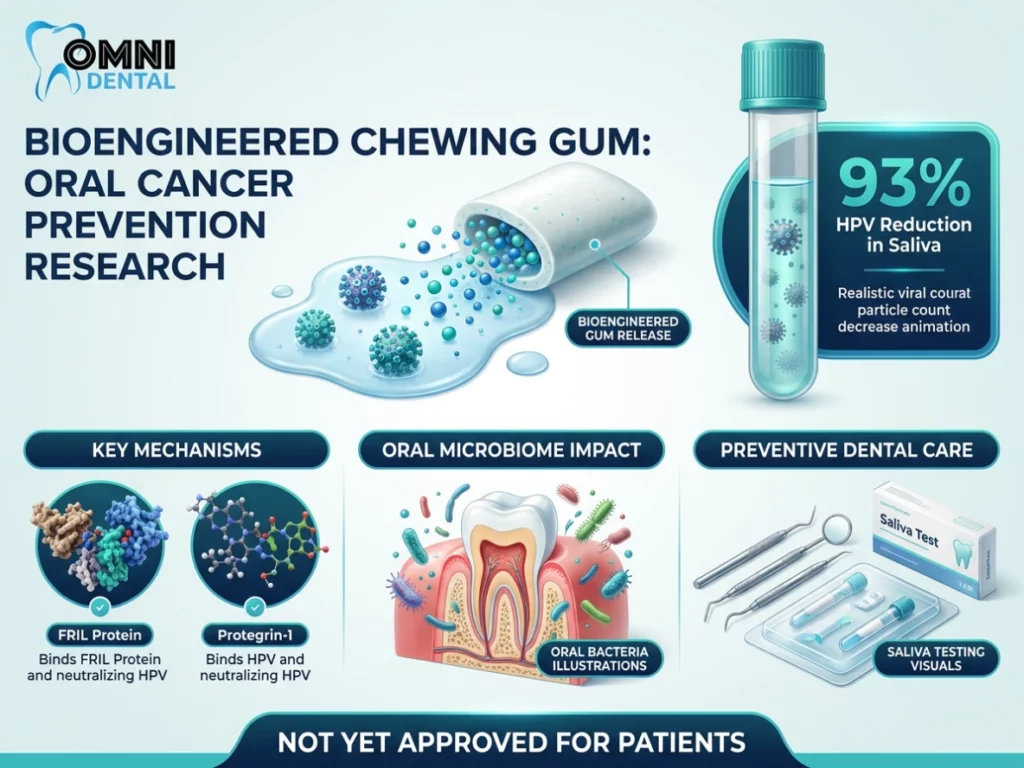
A bioengineered gum from University of Pennsylvania researchers cut HPV levels in saliva samples by 93% in lab tests. It also reduced two bacteria linked to head and neck cancers. The gum is not available to patients, because it has only been tested on samples outside the body.
Key Takeaways
- University of Pennsylvania researchers built the gum with FRIL, a lablab bean protein that may trap HPV, and protegrin-1, a germ-fighting peptide.
- In lab tests on saliva from head and neck cancer patients, the gum extract reduced HPV levels by 93%.
- A single dose reduced Porphyromonas gingivalis and Fusobacterium nucleatum, two bacteria studied in oral cancer research.
- The study was ex vivo, so no patient has chewed the gum in a trial yet.
- Regular dental checkups and oral cancer screening remain the best protection today.
Estimated read: 4 min
SciTechDaily reported the findings on a bioengineered chewing gum that could help fight oral cancer. Patients should know what the research shows and what it does not show yet.
What Is Bioengineered Bean Gum?
Researchers used lablab beans because they contain FRIL, a natural protein that may help trap HPV in the mouth. They also added protegrin-1, a germ-fighting peptide, to help target harmful oral bacteria.
This bioengineered bean gum works as a local oral health tool. In simple terms, the gum may release helpful proteins into saliva while a person chews.
The original report also quotes Kevin Monko Penn Dental Medicine, who explained the research in patient-friendly terms.
How Did Researchers Test the Gum?
In a Scientific Reports study on oral cancer microbes, researchers tested the gum extract in a lab. The study was published in Scientific Reports and used saliva and oral rinse samples from people with head and neck squamous cell carcinoma, or HNSCC.
The results looked promising in that lab setting. The gum extract reduced HPV in saliva samples. Researchers reported that the extract reduced HPV levels in saliva by 93%.
That means the study showed HPV levels by 93 percent in saliva, including a result described as 93 in saliva.
In oral rinse samples, the reduction was also strong. Researchers reported a reduction led by 80 in oral rinse samples.
What Did the Gum Target?
The team tested a single dose of the gum extract with protegrin-1. It reduced two bacteria linked to oral cancer research: Porphyromonas gingivalis and Fusobacterium nucleatum.
These are microbes associated with head and neck cancers. The research may also help scientists better understand microbes linked to lip and neck squamous cell carcinoma HNSCC, including cancers of the lip, mouth, throat, and nearby tissues.
Because it targets harmful bacteria, researchers are studying it as a possible antibacterial chewing gum. The study also noted that chewing gums reveal reduction in harmful microbes while appearing to spare some helpful oral bacteria.
| Research Component | Purpose | Key Findings | Current Limitation |
|---|---|---|---|
| FRIL Protein | Trap HPV particles in the mouth | Reduced HPV levels in saliva samples | Only tested in laboratory settings |
| Protegrin-1 Peptide | Target harmful oral bacteria | Reduced bacteria linked to oral cancer research | No long-term human safety data yet |
| Saliva Sample Testing | Measure HPV reduction effectiveness | HPV levels reduced by 93% | Ex vivo study only, not real-world chewing |
| Oral Rinse Testing | Evaluate impact on oral microbes | Strong reduction in harmful bacteria | Further clinical studies still required |
| Future Clinical Research | Study real patient use and safety | Potential future oral health application | Not approved as treatment or prevention today |
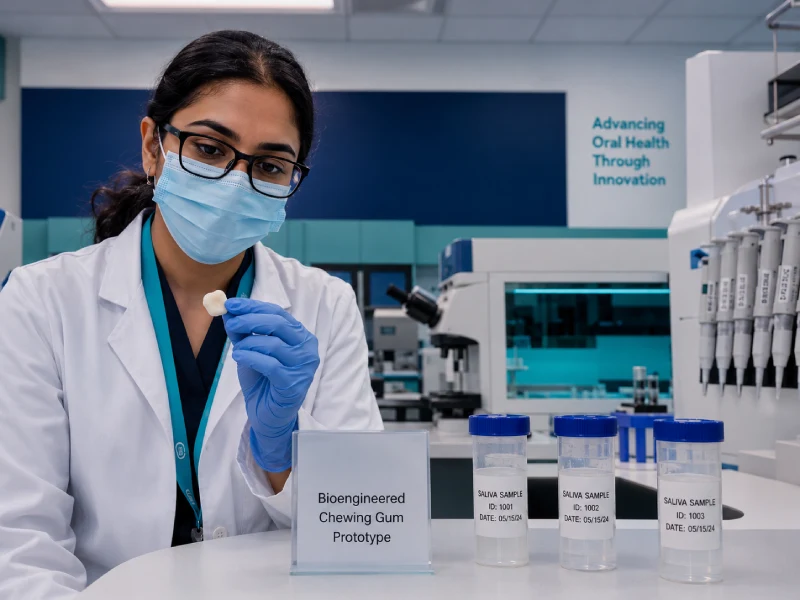
Why This Matters for Oral Cancer Research
Oral cancer can affect the lips, tongue, gums, throat, and other parts of the mouth. Some reports describe lip and oral cavity cancer as a major global concern and, in certain age groups, the seventh leading cancer type.
HPV and harmful bacteria may play a role in some oral and throat cancers. As a result, scientists continue to study new ways to reduce risk in the mouth. These findings support further research into whether a gum-based tool could one day help prevent or support care.
This does not mean the gum can prevent cancer today. However, it may give researchers a new way to study HPV, oral bacteria, and cancer-related changes in the mouth.
Is This Gum Available to Patients?
No. This gum is not available as an approved oral cancer prevention product or treatment.
Researchers performed the study ex vivo. That means they tested patient samples outside the body. Patients did not chew gum during the clinical trial.
As a result, researchers still need in vivo HNSCC clinical studies. Future studies must test chewing, saliva flow, swallowing, daily use, safety, and long-term effects.
So, while bioengineered gum shows promise in the fight against oral cancer, it remains an early research development.
What Patients Should Know Right Now
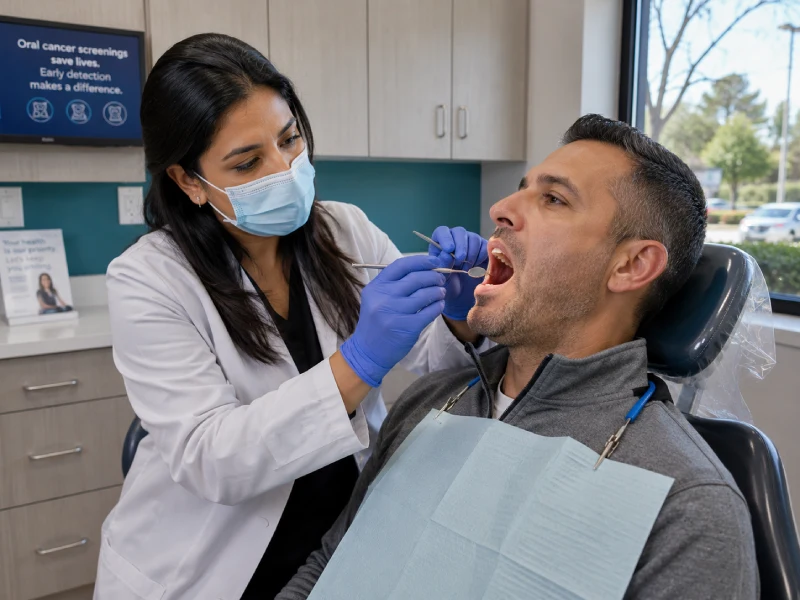
New science can offer hope, but regular dental care still matters most. Dentists can check for warning signs such as mouth sores, red or white patches, lumps, pain, or changes that do not heal.
We encourage patients to stay proactive about oral health. This is especially important for people who smoke, use tobacco, drink heavily, have ongoing mouth sores, or have questions about HPV-related oral cancer risk.
Protect Your Smile With Preventive Dental Care
Bioengineered chewing gum may become an important research tool in the future. For now, the best step is simple: keep up with dental checkups, maintain daily oral hygiene, and ask your dentist about oral cancer screening during your next visit.

About the author
Dr. Bilus D PolesDDS,MAGD,DICOI, DIDIA
Founder and lead dentist of Omni Dental of Arlington Heights. Master of the Academy of General Dentistry and Board Certified Diplomate of the ICOI and IDIA. Illinois license #019.027365.