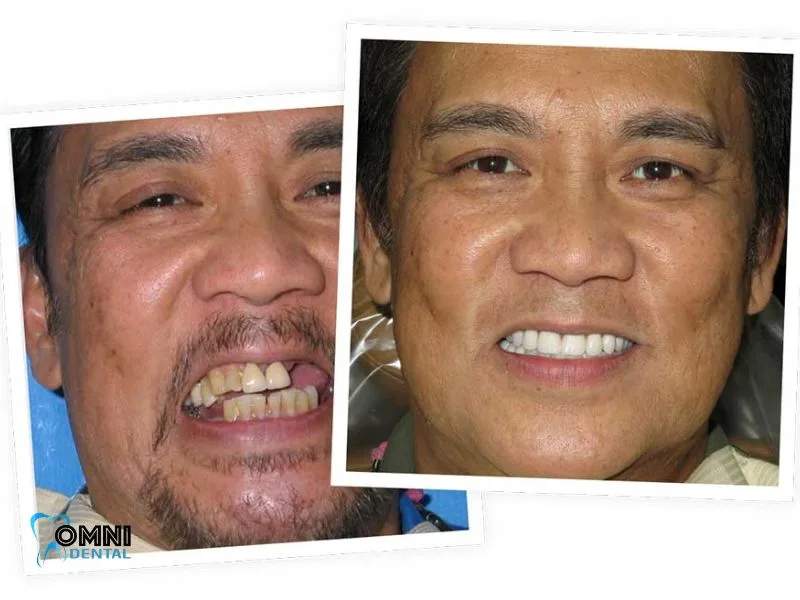
Which Cosmetic Option Is Right for Your Smile?
When it comes to improving your teeth, choosing between dental bonding and veneers can feel overwhelming. Both cosmetic dental procedures aim to enhance the appearance of your teeth by correcting issues like stains, chips, or gaps. But how do you know which option is best for you?
Let’s explore the key differences, benefits, and considerations of each to help you achieve the smile you’ve always wanted.
Understanding the Basics: Bonding vs. Veneers
Dental bonding involves applying a tooth-colored resin material directly to your tooth’s surface. This composite resin is shaped and polished to improve appearance. It’s a minimally invasive procedure, often used to fix misshapen teeth, close gaps, or hide small cracks.
On the other hand, porcelain veneers are thin custom shells placed on the front surface of your teeth. They require a bit of enamel removal, but offer better stain resistance and a more durable result. Veneers are often recommended for people seeking long-lasting cosmetic results or covering more extensive imperfections.
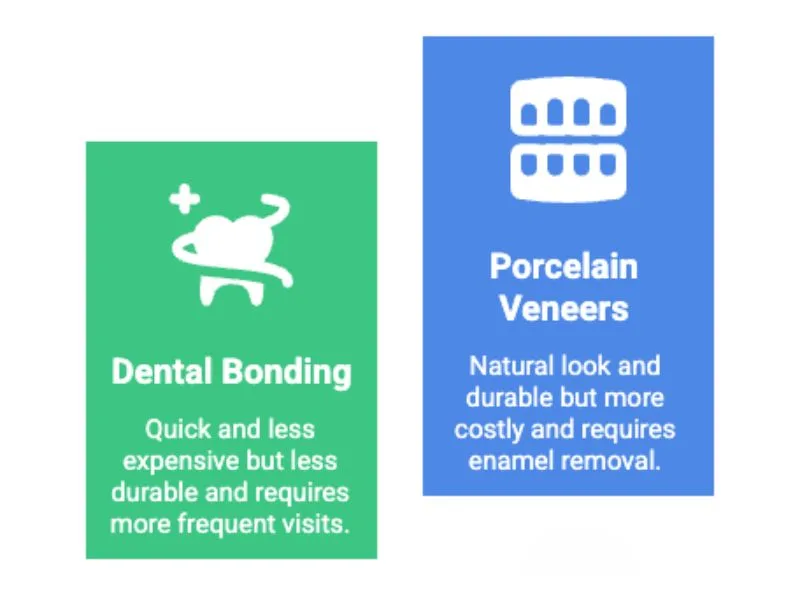
Pros and Cons of Each Option
| Feature | Dental Bonding | Porcelain Veneers |
|---|---|---|
| Treatment Time | Quick, often completed in one visit | Takes multiple appointments |
| Cost | Less expensive | More costly |
| Enamel Removal | No enamel removal in most cases | Requires some enamel removal |
| Durability | Less durable (may chip or stain over time) | Lasts 10–15 years with proper oral hygiene |
| Maintenance | Needs more frequent dental visits | Low maintenance with proper care |
| Aesthetics | Good, but less natural than veneers | Natural look and feel with high stain resistance |

When to Choose Dental
When to Choose Veneers
FAQs About Choosing Between Dental Bonding and Veneers
What lasts longer, veneers or bonding?
Veneers last significantly longer. Porcelain veneers can last 10–15 years or more with good oral hygiene, while composite bonding usually lasts 3–7 years. So, if longevity is your priority, veneers are the better investment.
What are the disadvantages of dental bonding?
While bonding is minimally invasive and affordable, it is less durable than veneers. The resin material can chip or stain over time, especially if you drink coffee or smoke. It also requires more frequent touch-ups at your dental visits.
Which is better, precision veneers or composite bonding?
That depends on your goals. Precision veneers offer better durability, stain resistance, and overall aesthetics. Composite bonding is more budget-friendly and suitable for small, minor cosmetic changes. Both have their place in cosmetic dental care.
Choosing Between Dental Bonding and Veneers
Now you know what to consider when choosing between dental bonding and veneers. If you want a cost-effective, quick fix for minor flaws, bonding is a great solution. But if you’re after a long-lasting, polished look with better stain resistance, veneers are worth the investment. No matter your choice, a consultation with your dentist can help you make the best decision based on your needs and smile goals.
Contact Us Today!
Schedule your appointment at Omni Dental and ensure your family receives the best dental care in the NW Chicago suburbs. Together, let’s keep those young smiles bright and healthy!

About the author
Dr. Bilus D PolesDDS,MAGD,DICOI, DIDIA
Founder and lead dentist of Omni Dental of Arlington Heights. Master of the Academy of General Dentistry and Board Certified Diplomate of the ICOI and IDIA. Illinois license #019.027365.